
Excavator Rakes: Types, Uses, and Benefits for Efficient Land Clearing

Updated: Jun 2
Excavator rakes are indispensable machines in construction, landscaping, and forestry, handling a wide range of tasks.
One of the most valuable attachments for an excavator is the excavator rake, designed to make site cleanup, land clearing, and material handling faster and more efficient.
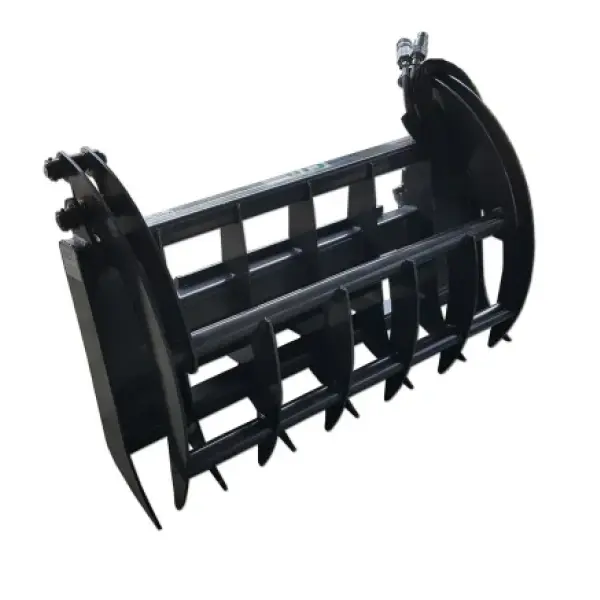
At The Red Barn Guy, our 36″, 48″, and 60″ root rakes, crafted from durable materials with easy attachment features and precision engineering, offer excellent performance for excavators of any size.

Whether you're clearing land for a construction project or removing debris after a storm, excavator rakes are essential tools that boost efficiency and accuracy.
In this guide, we will delve into what excavator rakes are, their types, and applications, and how to choose the best one for your needs.
Key Takeaways
Versatile Excavator Attachment: Excavator rakes are essential for efficient land clearing, debris removal, and material sorting, making them a valuable tool in construction, landscaping, and forestry projects.
Types for Specific Applications: Excavator rakes come in various types like root rakes, land clearing rakes, rock rakes, and heavy-duty rakes, each designed for different tasks such as root removal, debris clearing, and site preparation.
Key Selection Factors: When choosing an excavator rake, consider factors such as the size of your excavator, tine design, material durability, and the specific task it will handle to ensure optimal performance.
Root Rakes for All Sizes: The Red Barn Guy offers 36", 48", and 60" root rakes, tailored for small to large excavators, providing durable and efficient solutions for different scales of land clearing projects.
Maintenance and Safety: Regular inspection, cleaning, and adherence to safety guidelines are crucial for prolonging the life of excavator rakes and ensuring safe operation on site.
What Are Excavator Rakes?
Excavator rakes are heavy-duty attachments that fit on the boom of an excavator and are designed to sift through, collect, and separate materials.
They consist of strong, spaced tines that can gather debris, roots, rocks, and brush while allowing soil to pass through.
These attachments are ideal for clearing land, sorting through materials, and preparing a site for further work. With their rugged construction, excavator rakes are built to withstand the toughest tasks and rough terrain.
Applications of Excavator Rakes
Excavator rakes can be used in a variety of projects, including:
Land Clearing: Ideal for forestry, landscaping, and agricultural projects, rakes are used to remove roots, stumps, and other vegetation while leaving the soil intact.
Debris Removal: After natural disasters, such as hurricanes or floods, rakes help clear away debris quickly and efficiently.
Material Sorting: Excavator rakes are effective at sorting rocks, brush, and debris from soil during site preparation.
Demolition Cleanup: These attachments help to remove debris left behind after building demolitions, separating large objects from finer materials.
Site Preparation: Before construction, rakes are used to clear land and prepare the site by removing obstacles and smoothing the surface.
Types of Excavator Rakes
There are several types of excavator rakes, each designed to handle different tasks and environments:
Root Rakes: These are designed specifically for clearing roots, stumps, and other stubborn vegetation. The tines are long and strong, making it easier to pull roots from the ground while leaving the soil behind.
Land Clearing Rakes: Also known as brush rakes, these are built for clearing large areas of land. Their wider design allows operators to gather a large volume of brush, branches, and debris at once.
Rock Rakes: Designed for sorting rocks from soil, these rakes have shorter and closer-spaced tines, making it easier to separate finer materials.
Heavy-Duty Excavator Rakes: These are more robust rakes designed for demanding tasks such as demolition cleanup or working in rugged terrain. They are built to handle large debris and withstand the strain of heavier materials.
How to Choose the Best Excavator Rake?
Selecting the right excavator rake depends on several factors. Here are some key considerations:
Size of the Excavator: The size of your excavator will determine the size and weight of the rake that it can handle. Always check the manufacturer’s specifications to ensure compatibility.
Application Type: If you’re primarily clearing land, a wide land-clearing rake might be the best choice. For more specific tasks, like root removal or rock sorting, you’ll need specialized rakes.
Tine Design and Spacing: The spacing between the tines will determine what type of material can pass through. Wider tines are ideal for clearing brush and larger debris, while narrower tines are better for sorting rocks and finer materials.
Material and Durability: Look for rakes made from high-strength steel or other durable materials, especially if you plan to use the rake in tough conditions. Some rakes also feature reinforced tines for added strength and longevity.
Weight and Balance: The weight of the rake can affect the balance of your excavator, especially when lifting heavy debris. Make sure to choose a rake that maintains a balanced load for safe operation.
Versatility: Some rakes come with adjustable tines or attachments that allow them to perform multiple functions. This can be a valuable feature if you need a tool that can handle diverse tasks.
Excavator Root Rakes: 36″, 48″, and 60″ Models
Excavator root rakes play a crucial role in land clearing, helping operators effectively remove debris, roots, and rocks while maintaining soil quality.
The 36″, 48″, and 60″ root rakes are standout models known for their durability, versatility, and user-friendly design. Here’s a closer look at each model:
The 36″ root rake is compact and efficient, designed for smaller excavators (20-40 horsepower). Its five digging tines and elevated contour make attachment easy, while the interchangeable mounting system allows flexibility.
This rake is ideal for small-scale land clearing, providing a balance of strength and precision.
Key Specifications:
Tine Thickness: 1 1/2″
Frame Material: 3 1/2″ and 4″ tube steel
Weight: 281 lbs
Tine Configuration: 5 digging tines
Tine Depth: 9″
Rated for: 20-40 horsepower machines
Why It’s the Best:
Its lightweight yet durable design is perfect for compact excavators. The precise tine spacing ensures effective root removal while minimizing soil disturbance, making it ideal for tight spaces.
Designed for medium-sized excavators (35-60 horsepower), the 48″ root rake features six evenly-spaced digging tines. It provides excellent coverage for mid-sized land-clearing jobs.
The elevated contour and interchangeable mounting system allow quick, easy attachment.
Key Specifications:
Tine Thickness: 1 1/2″
Frame Material: 3 1/2″ and 4″ tube steel
Weight: 313 lbs
Tine Configuration: 6 digging tines
Tine Depth: 9″
Rated for: 35-60 horsepower machines
Why It’s the Best:
The 48″ rake’s size and weight strike a perfect balance for medium-duty tasks. Its design ensures efficient debris removal with minimal downtime.
Built for large-scale clearing, the 60″ root rake is made for excavators with 60-80 horsepower. With seven digging tines and a robust frame, this rake is ideal for heavy-duty operations.
Like the other models, it features an elevated contour for easy attachment and an interchangeable mounting system for versatility.
Key Specifications:
Tine Thickness: 1 1/2″
Frame Material: 3 1/2″ and 4″ tube steel
Weight: 363 lbs
Tine Configuration: 7 digging tines
Tine Depth: 9″
Rated for: 60-80 horsepower machines
Why It’s the Best:
The 60″ rake’s heavy-duty construction and large coverage make it perfect for demanding jobs. Its wide tine spacing ensures efficient clearing, making it the best choice for large land-clearing projects.
FAQs
What are the safety tips when using excavator rakes?
To ensure safety when using excavator rakes, always adhere to the manufacturer’s safety guidelines for excavation during attachment and operation.
Verify that the attachment is securely fastened, and regularly inspect the rake for any signs of wear and tear.
While clearing land, remain vigilant for hidden hazards, such as underground utilities or unstable terrain. Additionally, proper training on operating excavators is crucial to prevent accidents and ensure smooth operation.
How do you maintain an excavator rake?
Maintenance is crucial for keeping your excavator rake in good condition. After each use, clean the rake to remove dirt, rocks, and debris lodged between the tines.
Regularly inspect for signs of damage such as bent tines or cracked welds. Lubricate any moving parts and tighten any loose bolts or fasteners.
If the rake has a wear-resistant coating, check for any signs of wear and reapply as necessary.
Where can I buy high-quality excavator rakes?
Excavator rakes can be purchased from heavy equipment dealers, online marketplaces, or directly from manufacturers.
It’s essential to buy from a reputable source like The Red Barn Guy to ensure quality and after-sales support. Be sure to check customer reviews and warranty options before making a purchase.
Conclusion
Excavator rakes are versatile tools that streamline land clearing and debris management. With different types of rakes available, selecting the right one depends on your specific needs, the size of your excavator, and the quality of the rake.
Proper safety practices and maintenance ensure your rake remains a reliable tool for years to come.
Whether you’re involved in construction, landscaping, or agriculture, investing in a high-quality excavator rake can significantly enhance productivity and reduce manual labor.
At The Red Barn Guy, we offer a range of rakes designed for durability and performance.
Whether it’s the nimble 36″, the balanced 48″, or the powerful 60″, our excavator rakes provide exceptional land-clearing capabilities for any scale of work.
Ready to equip your excavator with a top-quality rake? Browse The Red Barn Guy today to get the job done right.


.webp)
Comments